
enterprisesecuritymag

Enterprise Security Magazines : News

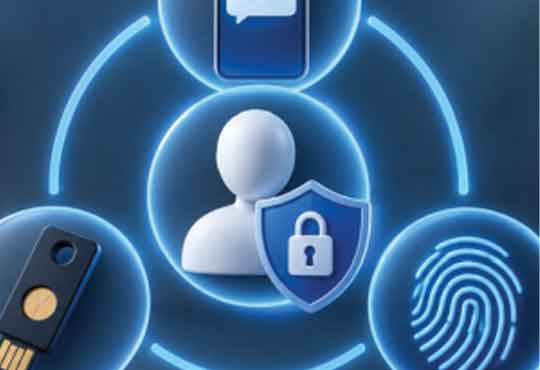
Enterprise security is moving beyond static defenses toward adaptive systems that respond to changing risks in real time. Smart access control systems sit at the center of this shift. They replace traditional locks and badges with intelligent platforms that precisely manage identity and movement. These systems combine hardware and software to control who can enter spaces and when. They also provide visibility into activity across facilities. This creates a more responsive security environment that aligns with modern enterprise needs. Organizations now face complex security demands due to hybrid work and distributed operations. Smart access control systems help manage this complexity by centralizing control. Security teams can grant or revoke access instantly without physical intervention. This reduces delays and improves operational efficiency. It also limits the risk of unauthorized entry. By integrating with other systems such as surveillance and alarms, these solutions create a unified security network. This interconnected approach strengthens protection while simplifying management. How Do Smart Access Control Systems Improve Real-Time Security Response? Real-time monitoring is one of the most valuable aspects of these systems. Access events are tracked and analyzed as they occur. Suspicious behavior can trigger alerts that allow teams to act immediately. This rapid response reduces the chances of security breaches escalating. It also supports proactive risk management by identifying patterns that may indicate threats. Over time, this data helps organizations refine their security strategies. Authentication methods have also evolved, with smart systems supporting biometric verification, mobile credentials and multi-factor authentication. These approaches are harder to compromise than traditional keys or cards and help ensure that only authorized individuals gain access to sensitive areas. FinCyberTech strengthens risk visibility through continuous cyber risk insights and integrated governance capabilities. This level of control is particularly important in environments handling critical data or assets, helping reduce vulnerabilities and strengthen trust across the enterprise. What Role Does Integration Play in Modern Access Control Systems? RELIACOM centralizes enterprise telecommunications management, giving organizations greater control over carriers, network technologies and communications infrastructure across locations. Integration is a defining feature of modern access control solutions. These systems connect with building management platforms, HR systems and IT infrastructure. This allows access permissions to align with employee roles and status. When someone joins or leaves the organization, their access can be updated automatically. This reduces administrative burden and prevents security gaps. Scalability is another key advantage. As organizations grow, their security systems must adapt. Smart access control platforms are designed to expand without major disruptions. They can support multiple locations and complex access requirements. This flexibility ensures that security remains consistent across all operations. In addition to enhancing safety, these systems improve user experience. Employees and visitors can move through spaces with minimal friction. Mobile access and touchless entry reduce delays and improve convenience. This balance between security and usability is essential for modern workplaces. Smart access control systems are reshaping how enterprises approach security. They provide intelligence, agility and integration that traditional methods cannot match. By adopting these systems, organizations create a safer environment while supporting efficient operations. ...Read more
Recent advancements in digital networks have introduced a range of cybersecurity challenges. As the commercial ecosystem continues to expand, traditional security tools increasingly fail to address the scale and complexity of emerging threats. In response to these challenges, the integration of artificial intelligence into firewall solutions has fundamentally transformed the manner in which organizations safeguard their systems and data. AI-enhanced firewall solutions have significantly improved their capacity to learn, adapt, and respond to evolving threats with remarkable precision. This development represents a new phase in modern network defense strategies. The combination of artificial intelligence, automation, analytics, and intelligence has substantially increased the resilience of digital infrastructure, enabling organizations to protect themselves against cyber risks better. What Are the Steps to Advance Toward Adaptive Intelligence? From the inception of the static protection model, firewalls have functioned as static gatekeepers, filtering traffic based on predefined rules in accordance with signature-based detection methodologies. Although these systems have been effective in blocking certain threats, they exhibit limited flexibility in identifying and mitigating new and emerging attack patterns. The advent of artificial intelligence (AI) has catalyzed a paradigm shift, enabling firewalls to transition from rigid rule sets to adaptive, behavior-based protection mechanisms. Through the application of machine learning algorithms, AI-enabled firewalls continuously monitor network and link traffic, detect anomalies, and adjust defensive measures in real time as attacks progress. This dynamic approach enhances preventive capabilities over time, facilitating real-time intrusion detection rather than addressing breaches post-occurrence. As digital infrastructures become increasingly interconnected and complex, adaptive AI firewall systems will play a greater role within the broader cybersecurity ecosystem. These frameworks can integrate data from multiple sources, including endpoint protection, identity management and cloud security tools. Cibernetica Group supports cybersecurity strategies through risk assessments, penetration testing and advisory services that help organizations identify potential risks and strengthen their security posture. AI-driven firewalls can further enhance visibility across complex networks by correlating data and recognizing patterns that isolated security systems may overlook. Predictive analytics can use historical attack data and global threat intelligence to anticipate potential threats to firewalls. This strategy helps organizations build passive defense capabilities, enhancing their prevention and response efforts while improving resource efficiency and response times. NetFoundry supports secure network infrastructure through software-defined connectivity designed to improve visibility and control across distributed environments. What Are the Future Directions and Potential Business Impacts? Automation, data processing, and regulatory requirements will continue to influence the development of artificial intelligence (AI) firewall solutions. As businesses face increasing demands for stringent control over confidential data and compliance with regulations, AI systems are becoming essential in navigating the complexities of cybersecurity landscapes. Future innovations are expected to involve a more profound examination of user intentions and application behaviors, thereby enhancing the efficacy of firewall solutions. With the rising dependence on cloud computing and edge networks, the architecture of AI firewall technology is evolving to become more geographically distributed and autonomous. For organizations, this evolution signifies enhanced protection and improved operational efficiency, while simultaneously reducing the overhead associated with security management. Consequently, this will foster greater digital resilience and instill a higher level of trust in technological solutions moving forward. ...Read more
Organisations are adopting more digital tools to work smarter, serve customers more effectively and support long-term growth. As businesses become increasingly connected, cyber threats are also evolving and becoming harder to spot. Companies now handle sensitive information through cloud services, remote work systems and a wide range of connected technologies. While these innovations create new opportunities, they also present security challenges. Organisations must adopt a proactive approach to safeguard their systems and data against cybercriminals who continually seek to exploit weaknesses. Advancing Protection across Expanding Digital Environments Companies use systems that connect people, like employees, customers, and partners, so that they can get information from different places and devices. To keep this information safe, security tools need to watch what happens in these systems and make sure only the right people can access it. Tools that protect networks are very important for keeping everything secure. Firewalls, intrusion prevention systems and endpoint protection platforms help organisations detect malicious activity and prevent unauthorised access attempts. These technologies work together to establish multiple layers of protection that reduce exposure to cyber threats. As attack methods become increasingly sophisticated, businesses are adopting intelligent security solutions that can identify unusual behaviour and respond to threats in real time. AI and machine learning can process large amounts of information and identify unusual activity that may signal an attack. This gives organisations the opportunity to detect risks earlier and respond before they develop into larger problems. Automated threat detection also supports security teams by highlighting what needs attention, making investigations faster and helping teams respond more effectively in demanding digital environments. Organisational security, many businesses require additional verification steps beyond a password, such as one-time codes or authentication prompts. It measures help reduce the risk of unauthorised access if login credentials are compromised. Many organisations also align access unauthorised with their broader security strategies to create a consistent digital environment. Reducing Cyber Risk through Continuous Threat Intelligence Cybersecurity is most effective when organisations take a proactive approach to risk management. Rather than responding only after organisations are under attack, businesses are investing in capabilities that help identify vulnerabilities and anticipate emerging threats before they can cause significant damage. Keeping computer systems secure requires ongoing attention rather than a one-time effort. Conducting regular reviews can help identify potential issues before they develop into significant security concerns. Staying aware of emerging threats also helps organisations strengthen their defences and respond more effectively when risks arise. Addressing vulnerabilities early can reduce the chances of an attack and help avoid unnecessary disruptions. Consistently following good security practices supports the protection of sensitive information and contributes to a safer digital environment. Security information and event management platforms help organisations see what is happening in their digital spaces. They gather information from different organisations to find any strange activities or threats. This helps security teams act quickly to solve problems before they get worse. Faster responses keep things running smoothly and make the security even better. Building a strong security culture requires a combination of employee awareness, user verification and zero-trust practices. Many cyber incidents still result from simple human mistakes, making regular training essential for helping employees identify suspicious activity and follow safe online behaviours. At the same time, zero trust ensures that every access request is verified before permission is granted, regardless of where the request originates. This approach makes it more difficult for attackers to move through systems if an account is compromised. When supported by continuous monitoring and informed employees, these measures help organisations strengthen resilience against evolving cyber threats. Supporting Compliance Organisations' Long-Term Resilience Regulatory requirements continue to shape cybersecurity priorities across industries. Organisations must demonstrate that they are protecting customer information, maintaining security and managing risks effectively. Cyber security solutions help support compliance initiatives by providing visibility, audit capabilities and data protection controls that align with regulatory expectations. Data privacy regulations have increased the importance of strong security governance. Businesses must ensure that sensitive information is collected, processed and stored securely. Security solutions that support encryption, access controls and monitoring capabilities help organisations maintain compliance while reducing the likelihood of data exposure. Across European organisations, frameworks continue to drive investments in advanced security technologies and governance programs. Incident response planning has become a critical aspect of organisational resilience. Even with strong preventive controls, cyber incidents may still occur. Organisational response capabilities help organisations contain threats quickly, minimise disruption and restore normal operations. Well-organised response plans improve coordination between teams and reduce recovery times during security events. Business continuity and disaster recovery solutions further strengthen organisational preparedness. These technologies help ensure that critical systems and data stay operational during unexpected disruptions. Organisations that invest in resilient recovery strategies are better positioned to maintain and protect customer trust during challenging circumstances. ...Read more

© 2026 Enterprise Security Magazine. All rights reserved. Headquartered in Fort Lauderdale, FL, USA.